
How EXSYN works in your operation.
Our apps work alongside your existing systems, using the information relevant to a specific workflow to check, process and surface results your team can act on.
Book a meetingFrom information to operational use.
Every EXSYN app follows the same four steps, whatever the workflow it supports.
01
Connect
Bring in the information the workflow needs, from your M&E system, records, technical logbook, OEM sources and operational systems.
02
Process
The app applies aviation-specific logic, checks and processing relevant to that use case.
03
Review
Your team sees the results, exceptions or signals that need attention.
04
Use
The result goes to work in your existing workflow, and back into the system it belongs in where needed.
See how that works in an EXSYN app.
The workflow differs by app, but the principle is the same. Choose an example to see how EXSYN turns operational information into something your team can use.
Connect
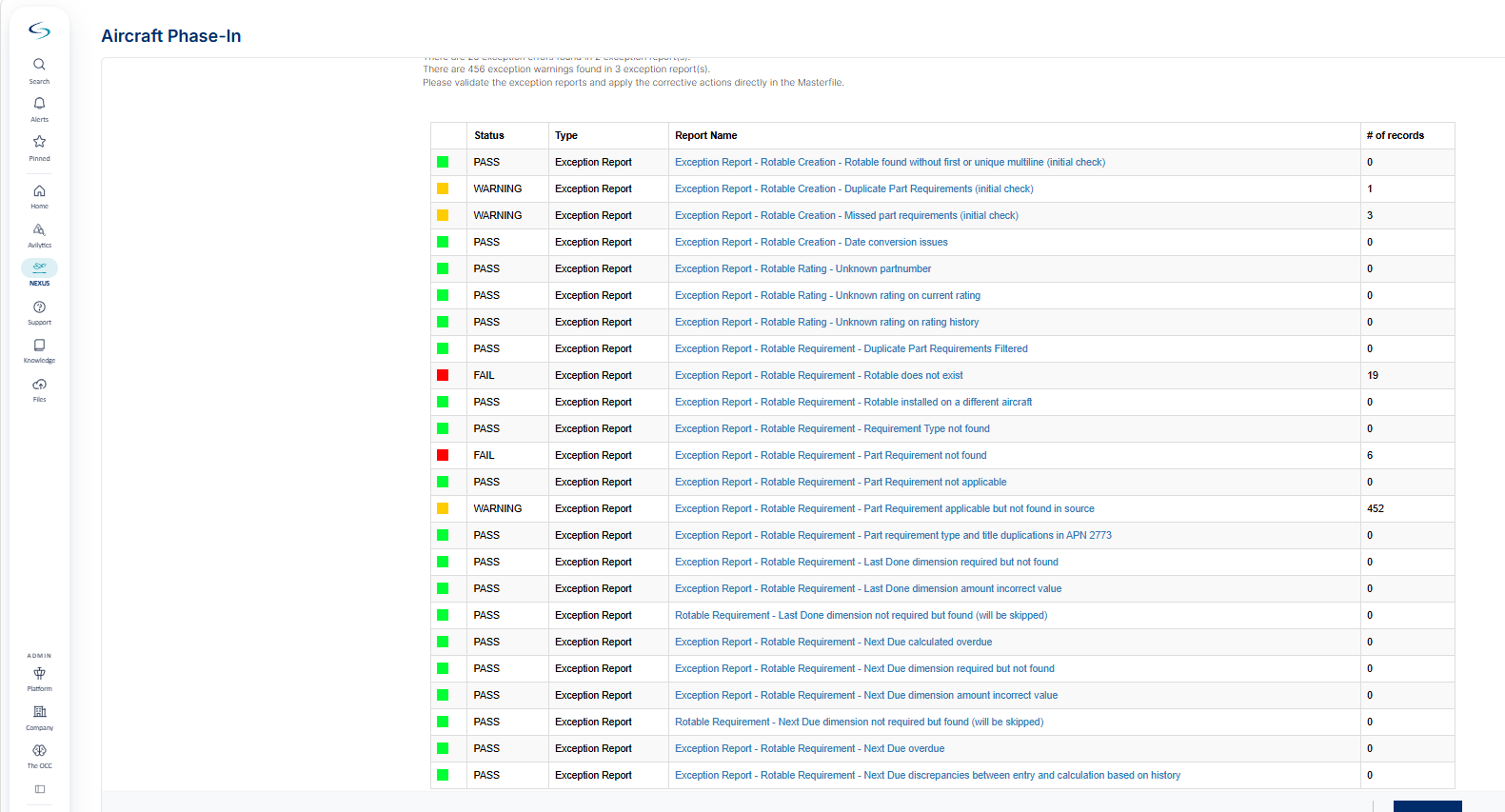
Incoming aircraft information from the previous operator or lessor.
Process
Phase-In applies the relevant maintenance and airworthiness checks.
Review
Exceptions and inconsistencies are surfaced for your team to review and resolve.
Use
Approved information and transfer files are prepared for your M&E environment.
Connect
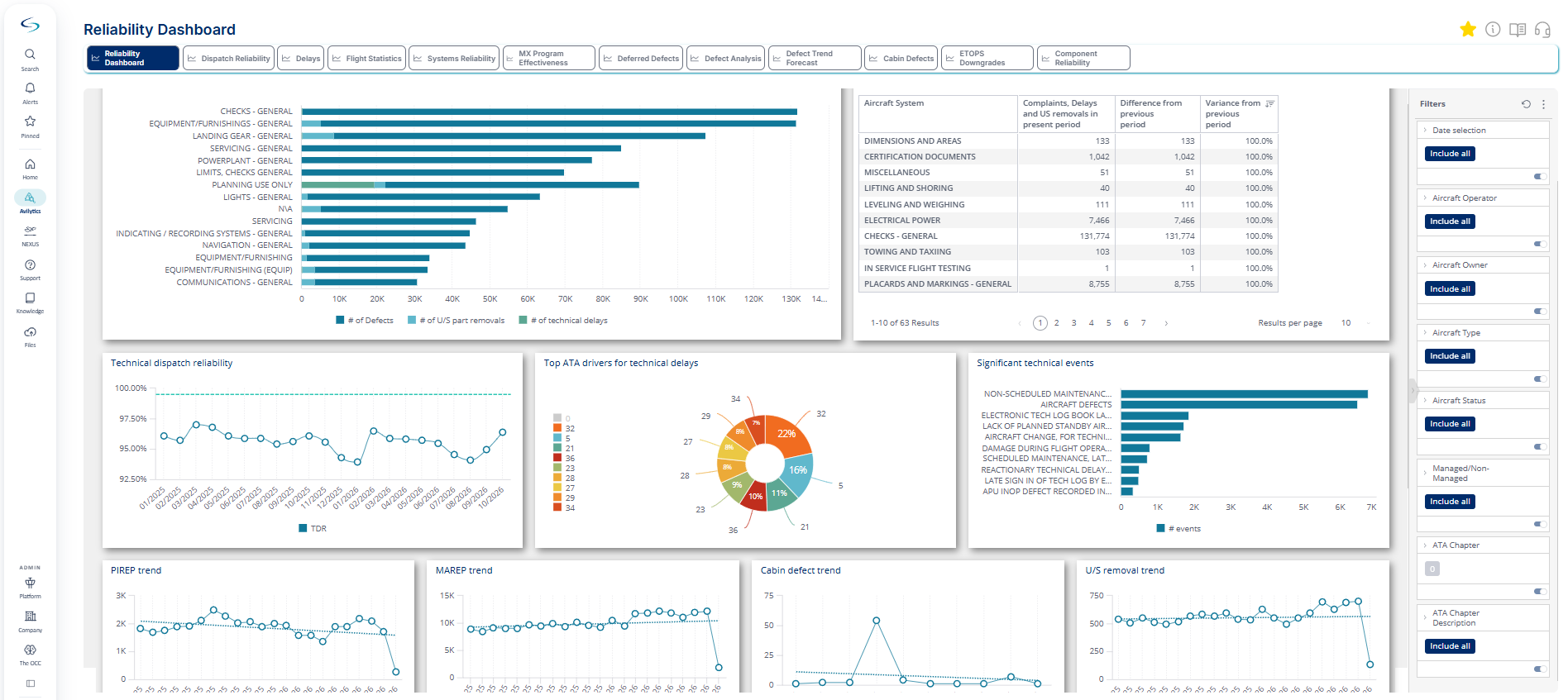
Flight records, defects, delays and component removals from your M&E system.
Process
Reliability Reporting calculates the indicators and alert levels, the same way every month.
Review
ATA chapters above their alert level and rising trends are flagged for your reliability team.
Use
The configured monthly reliability report is ready for the review board, as PDF.
Connect
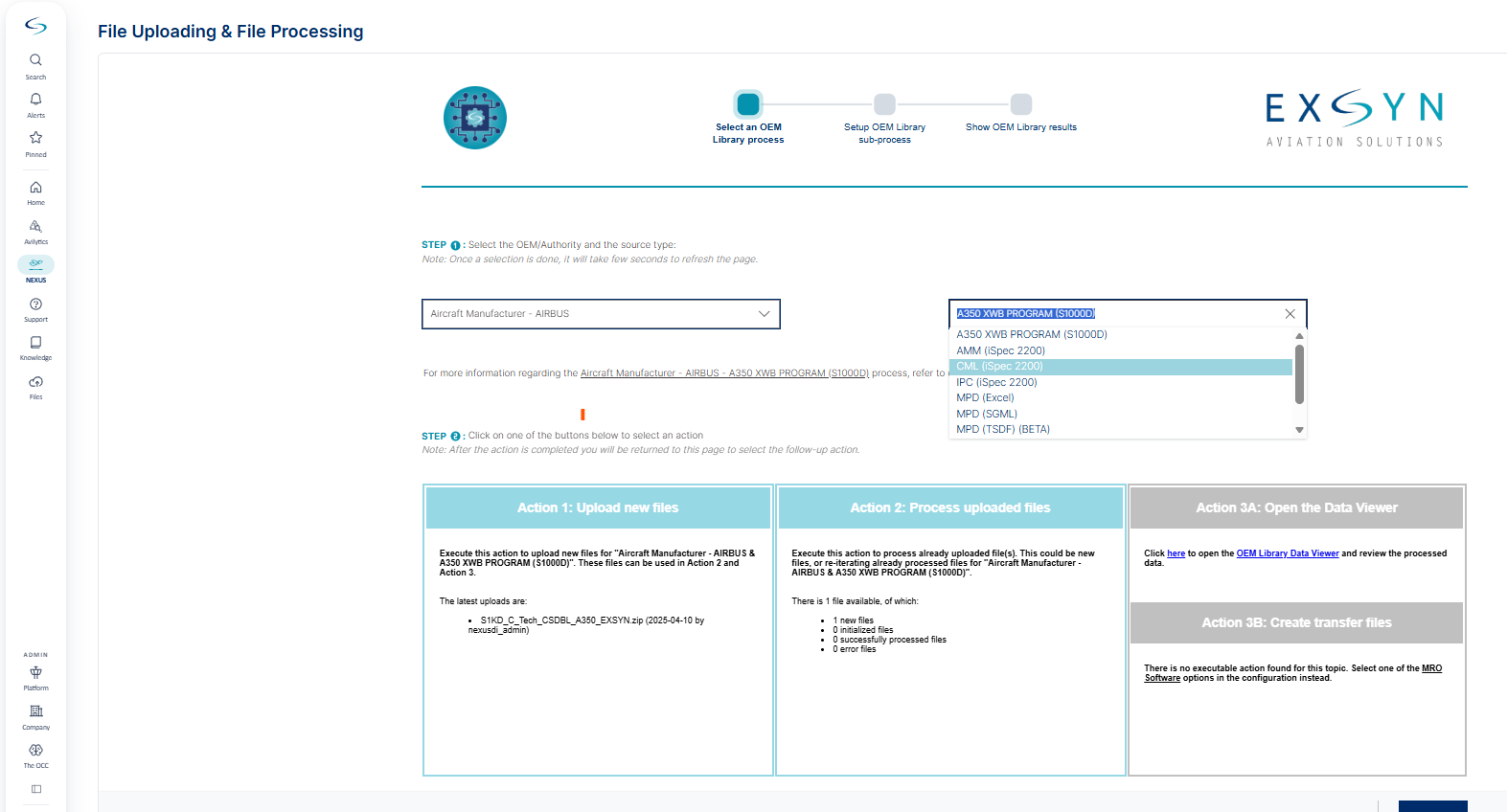
OEM publications and revisions as they are delivered: MPD, AMM, IPC and service bulletins.
Process
OEM Library structures the revision into data and compares it with what is already loaded.
Review
Changes and data issues are surfaced for your engineers to assess.
Use
Approved changes are prepared as transfer files for your M&E system.
What it means for your team.
What changes, and what stays exactly where it is today.
Your M&E system stays central
Your M&E system remains the system of record. EXSYN works with the relevant information around it.
Your team stays in control
EXSYN prepares, checks and surfaces information. Engineering and airworthiness decisions remain with authorised personnel.
Implementation matches the scope
Focused app implementations move quickly where the data and integration are available. Broader platform implementations follow a structured adoption process.
Secure by design
EXSYN operates under an ISO 27001 certified information security management system.
 ISO 27001
Full platform example
Five operational systems connected, with the broader EXSYN platform implemented in around six months.
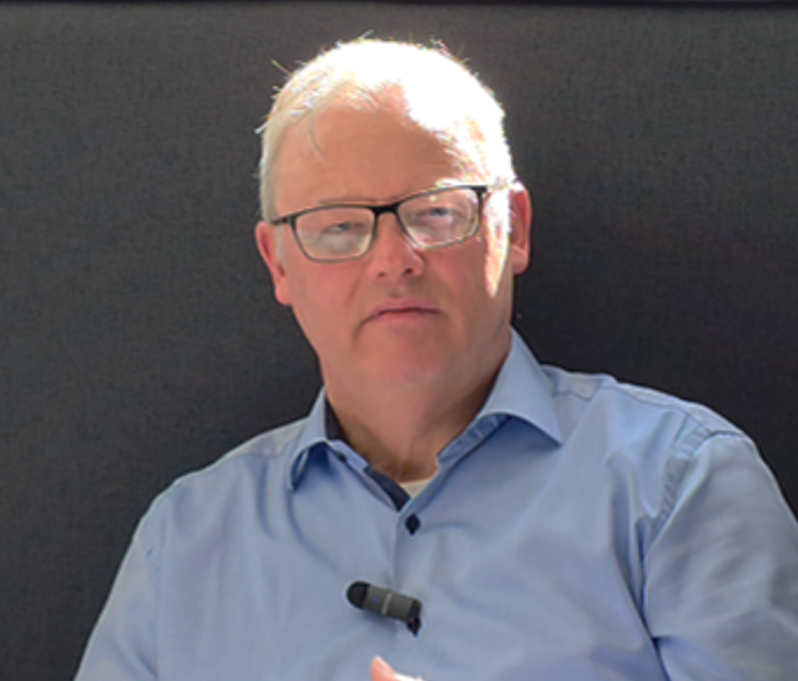
“…exactly as promised.”Andres Kjerulf, Director of Airworthiness, Texel Air
Connects the way your systems allow.
Pre-built components for a wide range of M&E, ERP and database systems. Changes are prepared and checked in your test environment before they reach production.
Interfaces and APIs
Where your systems offer them, exchanges run through their interfaces.
Database access
Where agreed, data is read directly and checked before anything is written back.
File exchange
XML, SGML, Excel and other formats, including OEM publications in iSpec 2200 and S1000D.
Start with one challenge. Expand when there is a reason to.
The Operational Confidence journey shows how capability builds over time. Select a stage to see what it delivers and the apps that support it.
Trusted Data
Less rework, fewer data issues. Aircraft information is clean, complete and connected from the moment it enters your operation.
Compliance Confidence
Audit readiness and lower operational risk, with airworthiness and compliance workflows running on information teams can rely on.
Reliability & Operational Insight
Better reliability, engineering productivity and operational visibility, from reporting through to supply chain.
Early Risk Detection
Earlier intervention and fewer disruptions, with reliability, AOG and engine risk visible sooner.
This is a progression of capability, not a mandatory implementation sequence. Operators start wherever the operational pressure is today.